An Informative Guide to Gemstones and Crystals: Properties, Uses, and Care
For thousands of years, humans have been captivated by the dazzling beauty and mysterious allure of gemstones and crystals. Beyond their striking visual appeal, these natural mineral formations have been used across ancient civilizations for adornment, trade, and spiritual practices. Today, the fascination with crystals continues to experience a massive resurgence, with people incorporating them into daily wellness routines, interior design, and meditation practices.
Understanding the Difference: Gemstones vs. Crystals
While the terms are often used interchangeably, there is a distinct scientific difference between a gemstone and a crystal. Understanding these classifications can help deepen your appreciation for these geological wonders.
- Crystals: These are solid materials whose constituent atoms, molecules, or ions are arranged in an ordered microscopic structure, creating a crystal lattice that extends in all directions. Examples include quartz, amethyst, and calcite.
- Gemstones: A gemstone is a mineral crystal that, when cut and polished, is collectible or can be used to make jewelry or other adornments. While most gemstones are crystalline, some organic materials—such as amber, jet, and pearl—are also classified as gemstones despite not being minerals.
Popular Crystals and Their Unique Properties
Every crystal carries a unique vibrational frequency, which many believe interacts with the human energy field. Here are some of the most popular crystals and their traditional properties:
- Clear Quartz: Often called the "Master Healer," this stone is believed to absorb, store, release, and regulate energy. It is exceptionally versatile and can be programmed for any intention.
- Amethyst: Recognized by its captivating purple hues, amethyst is associated with peace, spiritual growth, and inner calm. It is frequently used to soothe the mind and enhance meditation.
- Rose Quartz: The ultimate stone of unconditional love, rose quartz is thought to open the heart chakra, fostering compassion, self-love, and deep emotional healing.
- Citrine: Radiating bright yellow and orange energy, citrine is known as the "Success Stone" or "Merchant's Stone," traditionally used to manifest abundance, wealth, and positivity.
- Black Tourmaline: A powerful protective stone, black tourmaline is believed to create an energetic shield against negative energies, electromagnetic fields (EMFs), and psychic attacks.
How to Incorporate Crystals Into Your Daily Routine
If you are looking to harness the energy of crystals in 2026, there are several practical and modern ways to integrate them into your lifestyle:
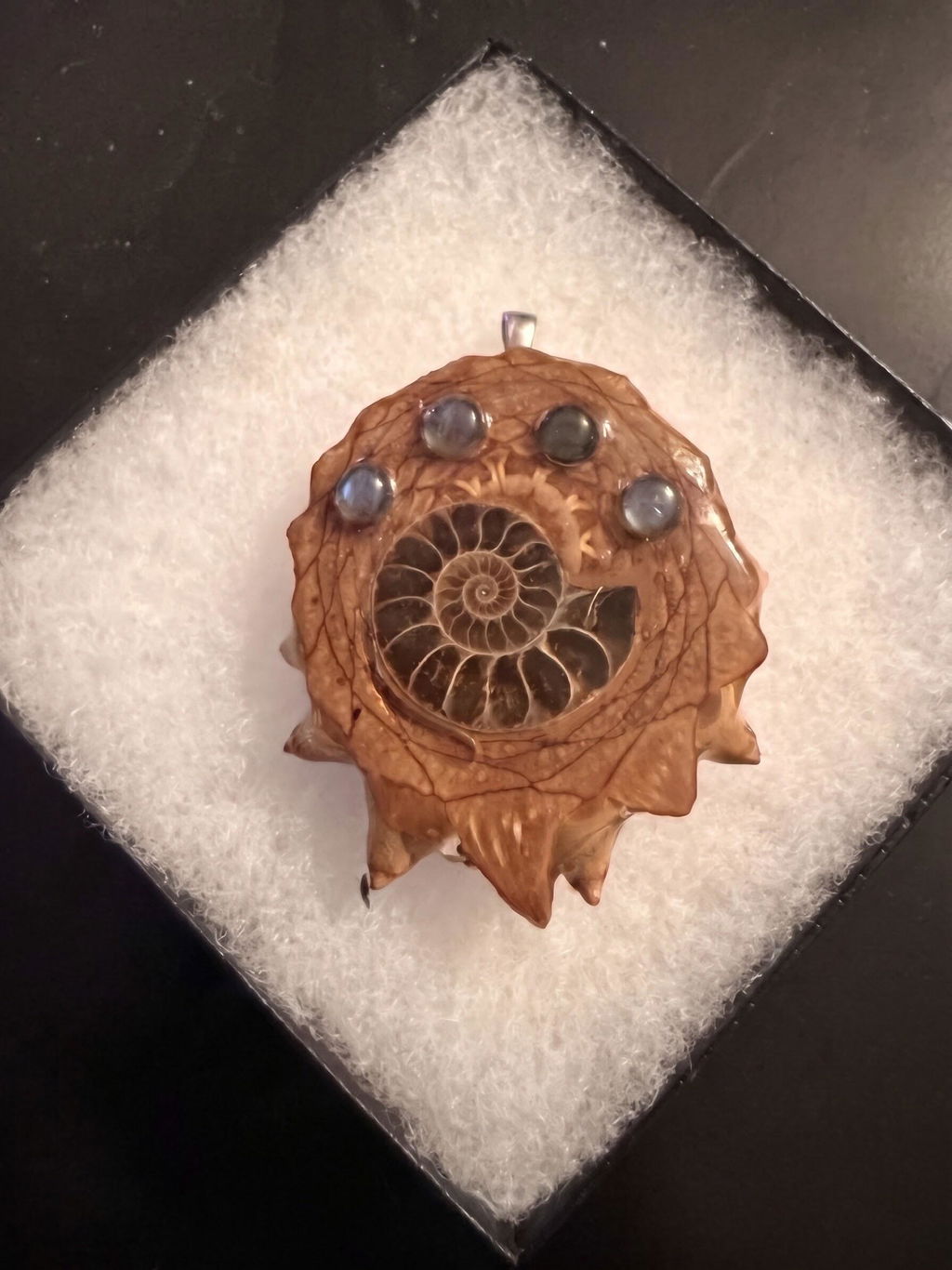
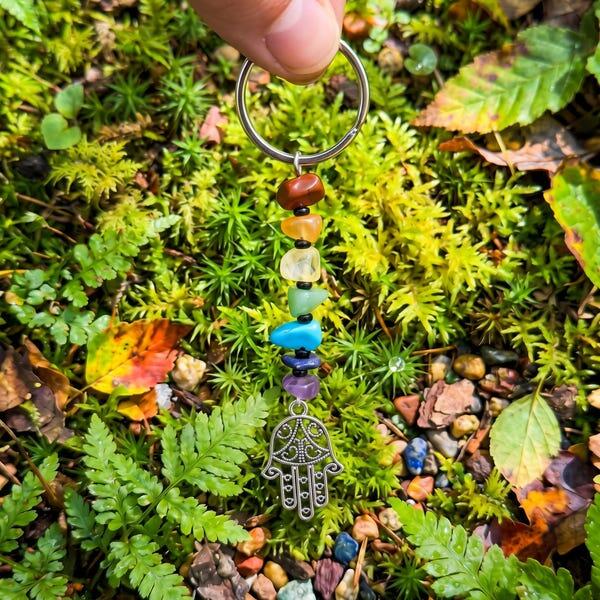
- Wearable Jewelry: Wearing crystals as rings, necklaces, or bracelets keeps their vibrational frequency close to your body throughout the day.
- Home and Office Decor: Placing large crystal clusters or decorative stones in your living space or workspace can elevate the aesthetic while shifting the ambient energy of the room.
- Meditation and Mindfulness: Holding a small palm stone or placing specific crystals on your body during meditation can help deepen your focus and relaxation.
- Intention Setting: Write down your goals or affirmations on a piece of paper and place a corresponding crystal on top to amplify your manifestations.
Proper Care and Maintenance for Your Crystals
Because crystals absorb and interact with various energies, they require regular cleansing and recharging to maintain their optimal effectiveness. However, not all crystals respond well to the same methods.
Common cleansing techniques include:
- Smudging: Passing your crystals through the smoke of cleansing herbs like sage, palo santo, or cedarwood to clear stagnant energy.
- Moonlight Bathing: Leaving your crystals outside or on a windowsill overnight during a full moon is a safe and gentle way to recharge almost any stone.
- Sound Healing: Using the vibrations of a singing bowl, tingsha bells, or tuning forks to effectively clear the energy field of your collection.
Note that some softer or water-soluble crystals—such as selenite, turquoise, and malachite—can be damaged by water or prolonged direct sunlight, so always research your specific mineral before cleaning.
Conclusion
Whether you are drawn to gemstones for their breathtaking aesthetic beauty, their rich geological history, or their potential metaphysical properties, exploring the world of crystals offers a fascinating journey of discovery. By understanding how to select, use, and care for these natural treasures, you can build a meaningful collection that enriches your daily life.